

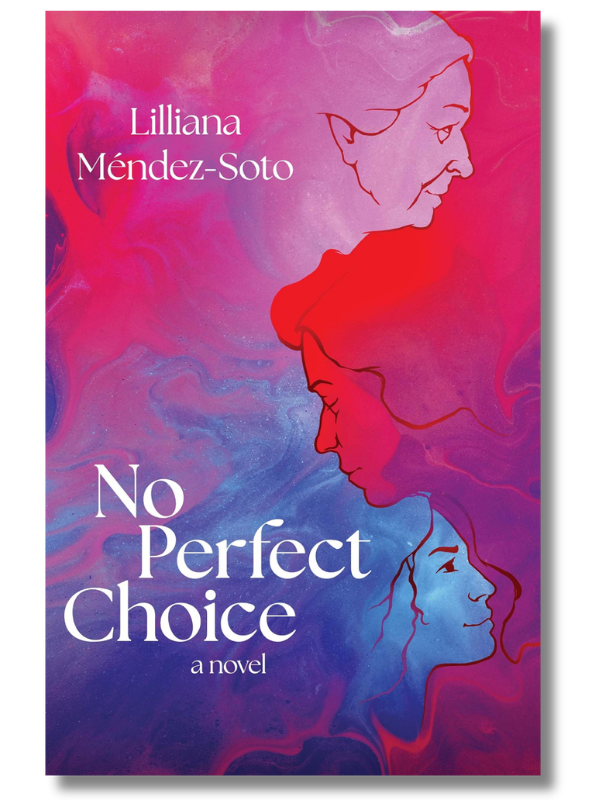
Thought-provoking fiction about the reality of government rule
Alina Rodriguez, a woman in her fifties, likes to take care of herself. Or perhaps it’s more accurate to say: She was diagnosed with a serious heart condition in her thirties, and gambling with her health isn’t something she particularly enjoys. This all comes to a crashing halt when a heart attack in her yoga class reveals something more dangerous and unexpected.
While Alina is always prepared for complications related to her heart issues, she isn’t ready for an unplanned pregnancy, especially after she learned in her thirties that pregnancy for her would be life-threatening. To complicate matters even further, she now must contend with the obstacles of terminating a nonviable pregnancy in the state of Texas in a post Roe V. Wade America. This inevitably causes Alina to reflect on the last time she was faced with an unplanned pregnancy.
From here, Méndez-Soto takes the reader through Alina’s youth as the daughter of Cuban immigrants growing up in Chicago. We learn about her father’s wandering eye and abusive ways, her mother’s spending habits, and Alina’s struggle to be the perfect daughter and also a rebellious teen. When she becomes pregnant, it is through help that Alina can navigate her hard situation.
Méndez-Soto has given her work a unique feel. It’s told so much like a memoir that, if the reader wasn’t aware this was fiction, the reader likely wouldn’t be able to tell. This is a compelling approach, and it works extremely well for its content. This way, it allows much of the nuance needed to think and talk about reproductive health. She isn’t simply covering Alina’s story; she interweaves tales from family members and friends put in difficult positions—those which resulted from matters like incest and rape, emphasizing the complexities of the topic. This is a timely work, clearly inspired by the reversal of Roe V. Wade and its implications for women’s health. Méndez-Soto does a wonderful job emphasizing the dangers of government interference in healthcare.
While the memoir feel of the book adds depth, there are some sections when Méndez-Soto switches points of view to other characters, and this approach causes the narration to get a bit muddled. The backstories themselves add layers to the story, but taking the reader out of Alina’s mind makes it a bit of a challenge to follow at times.
No Perfect Choice is a moving piece that adeptly balances social commentary with history and familial legacy.




What did you think?