

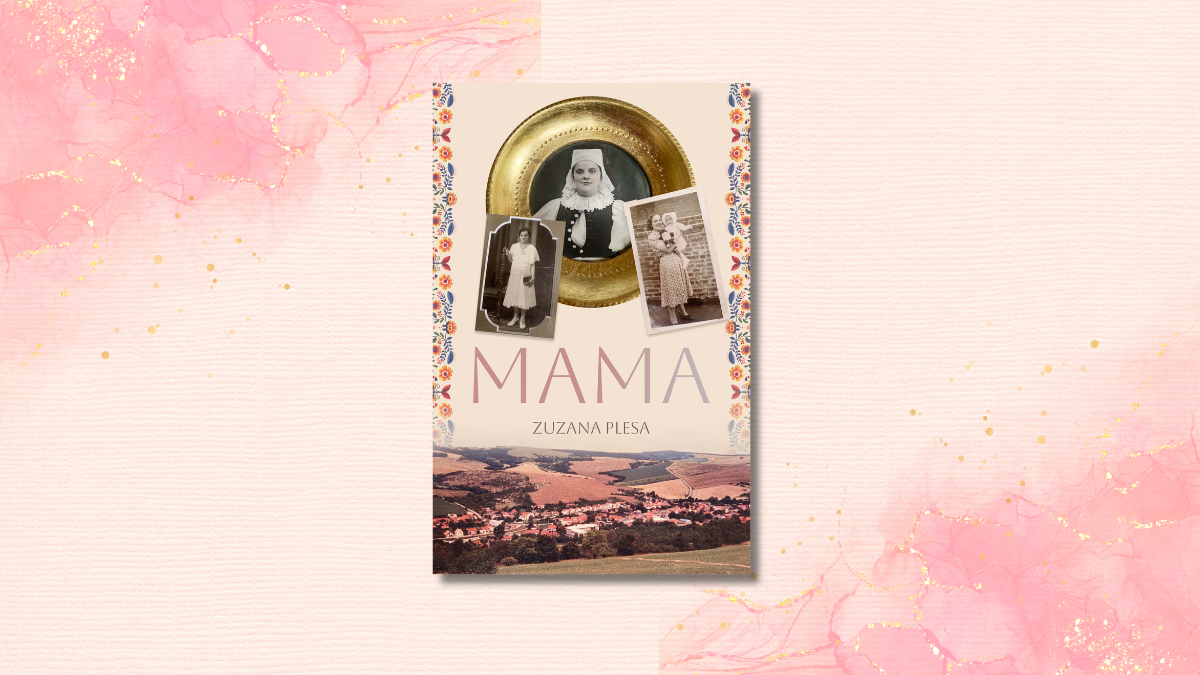

Mama
by Zuzana Plesa
Genre: Memoir
ISBN: 9798891323919
Print Length: 88 pages
Publisher: Atmosphere Press
Reviewed by Jadidsa Perez
A tender exploration of the cornerstone relationship between mother and daughter
A child’s relationship with their mother is one of the most formative and elemental aspects of their development. But a good relationship can be stained by generational trauma, too, and an unfair burden can be put onto children. Not only will they have to heal from their own trauma, they’ll need to unpack the issues that existed before them.
So many children say “Mama” as one of their first words, a representation of a close, monumental bond. Mama is Zuzana Plesa’s memoir made up of first-hand experiences with her mother and her own interpretation of her mother’s behavior. Rather than hold on to hurt and anger, Plesa uses her knowledge as a therapist and teacher to empathize with her mother and learn from her. Mama imparts this knowledge to the reader in hopes of creating a bedrock of healing.
In Mama,Plesa’s memories are at the forefront while psychological theory is sprinkled in to add context and understanding. The intent is not to justify or excuse bad behavior but rather to provide an alternative way of perceiving a mother’s situation. Readers will feel seen and heard by connecting to Plesa’s experiences and be able to apply her research into their own lives. I personally connected with the sections about immigrant mothers and how they often treat their eldest children as a third adult. Mama verbalizes a lot of feelings that I was previously ashamed to admit, and it felt freeing to know others relate.
I also appreciated the way the book treats Plesa’s mother, Anna’s, past. The text works backward from her death to her youth, supplemented by Anna’s own memories and from those around her. Anna’s goals, dreams, and feelings are immortalized beautifully by her daughter, along with both her high and low moments. Anna’s special love for Michigan, her birth place despite not spending much time there, is accentuated often. It emphasizes the love Plesa has for her mother and how that love inspired this memoir. Their time together in Germany is particularly touching as Anna is able to reconnect with her love of art.
Sometimes the pace can feel a bit uneven, like moving swiftly through the author’s time in Japan, while other times the narrative churns along slowly. These stories leave out details that could enrich this already moving narrative.
I would gladly recommend Mama to anyone beginning their therapy journey, especially if it’s rooted in healing a mother/daughter relationship.
Thank you for reading Jadidsa Perez’s book review of Mama by Zuzana Plesa! If you liked what you read, please spend some more time with us at the links below.



What did you think?