

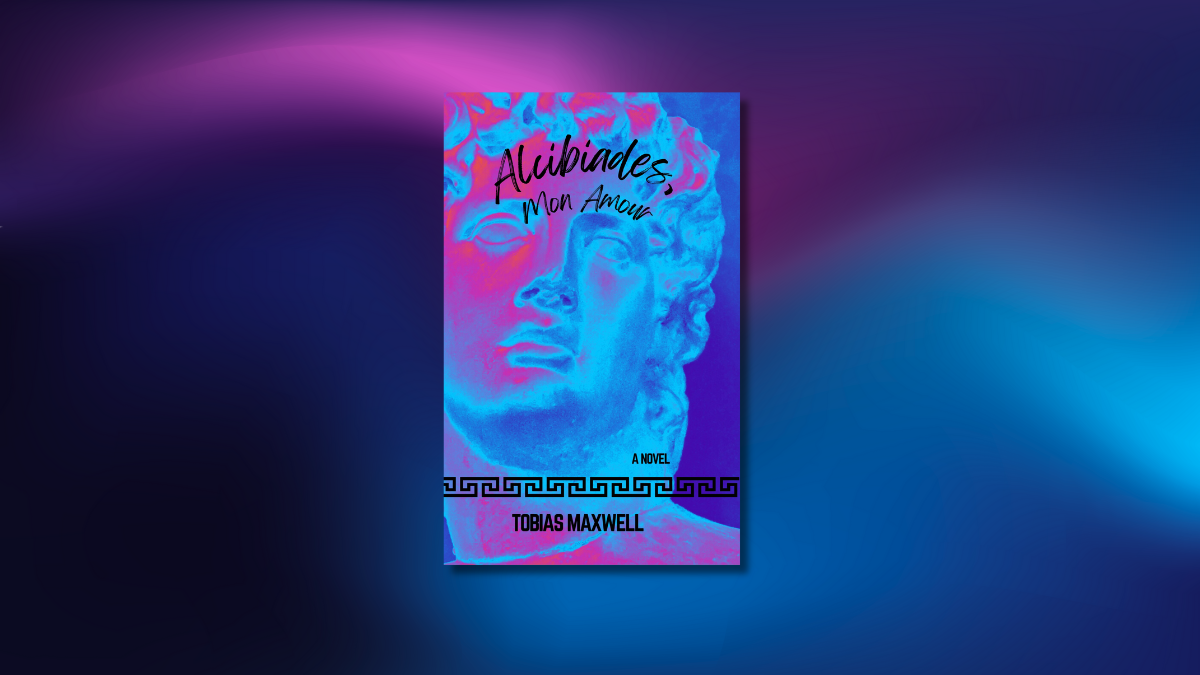
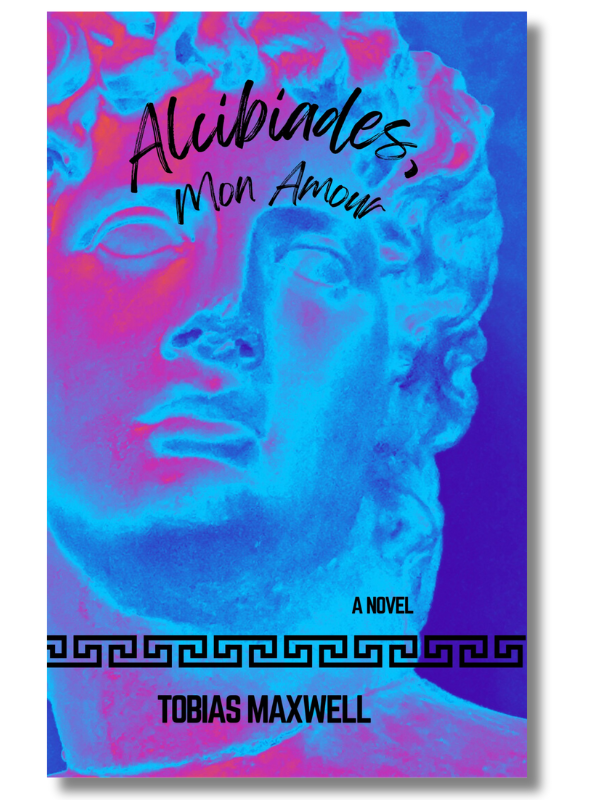
Alcibiades, Mon Amour
by Tobias Maxwell
Genre: Literary Fiction / Philosophy
ISBN: 9798887472201
Print Length: 246 pages
Reviewed by Samantha Hui
A quest for beauty and truth evolves into an obsession that will corrupt and destroy in Alcibiades, Mon Amour.
“I was not fully present, as though the here and now had been erased. The past, a past, was tricking me.”
In a world where the past collides with the choices of the present, Tobias Maxwell’s Alcibiades, Mon Amour beckons readers into a gripping exploration of identity and desire. The novel poses profound questions about obsession, love, and the very nature of self.
Blending magical realism with gothic undertones, this novel challenges our understanding of philosophy and the moral dilemmas it evokes, inviting readers to reflect on the complexities of human desire and the repression that shapes us.
“I wanted to add that it was probably the only worthwhile goal in life, to go back into the cave. To serve others. But I was too muddled to contribute to the dialogue. How could I bring up setting others free when I was in this black box?”
In his sophomore year of college, Alan finds himself surpassing the troubled paths of his flighty, estranged parents. With the support of his close friends, Ginnie and Todd, he is contemplating a shift from philosophy to political science.
However, his decision to remain with philosophy solidifies at a seemingly innocuous start-of-term party hosted by his philosophy professor, Tabor, and his wife, Mariel. During the event, Alan volunteers for a hypnosis demonstration by Dr. Gibson, which plunges him into an obsession with the desires and resentments of a past life.
“It’s funny how we do that, imagine things completely out of context. Prejudging based on what, instinct? Their union fascinated me on the spot.”
The story draws inspiration from Plato’s writings, including his Crito, Symposium, Republic, and Phaedo. Alan is hypnotized into believing he is Alcibiades, the ancient political figure from the Symposium. As he navigates his present life, he grapples with Alcibiades’s feelings of unrequited love and desire for Socrates, whom he perceives as Tabor.
Throughout the novel, Alan oscillates between his identity as a reason-driven philosophy student and the impulsive, lustful Alcibiades. When he is given the opportunity to portray Alcibiades in a stage adaptation of the Symposium, the lines between reality and fiction blur completely.
“How strict instinct could be in a person! I was protecting myself without grasping what I was defending against.”
Maxwell’s writing showcases a strong command of genre fiction as well as the historical and mythological context surrounding Socrates. The novel opens with a tone reminiscent of magical realism, as Alan believes himself to be Alcibiades. His friends, though mildly concerned, are careful not to dismiss him as delusional. Alan embraces his identity as Alcibiades and is encouraged to seek answers about this experience.
However, as the narrative unfolds, the genre shifts toward gothic fiction. Alan’s past life as Alcibiades transforms from a whimsical occurrence into a tragic force, jeopardizing the lives of his friends and his professor. His philosophical musings become less poetic and more a rationalization for increasingly dangerous actions.
“This love or caring, this deep attraction that appeared to lack control, was altogether novel. I hated being nineteen.”
The novel primarily presents Alan’s perspective, but readers also gain insight into Mariel’s and Ginnie’s viewpoints. Just as historical accounts of Socrates are filtered through Plato, Alcibiades, Mon Amour offers limited insight into Tabor’s perspective. This novel serves as a thoughtful exploration of the complexities and moral dilemmas posed by philosophy, compelling readers to differentiate between rationale and rationalization.
“Great! All I needed now was a life philosophy so I could cope with this latest demon.”
Alcibiades, Mon Amour masterfully intertwines themes of identity, desire, and the moral complexities of philosophical inquiry. Through Alan’s transformation and his tumultuous journey as Alcibiades, Maxwell invites readers to reflect on the influence of the past on the present, as well as the dangers of unchecked obsession. The shifting genre enhances the narrative’s depth, revealing how philosophical ideals can morph into justifications for reckless behavior. The novel not only captivates with its rich character development and engaging plot but also challenges readers to navigate the fine line between understanding and rationalization.
Thank you for reading Samantha Hui’s book review of Alcibiades, Mon Amour by Tobias Maxwell! If you liked what you read, please spend some more time with us at the links below.


What did you think?