

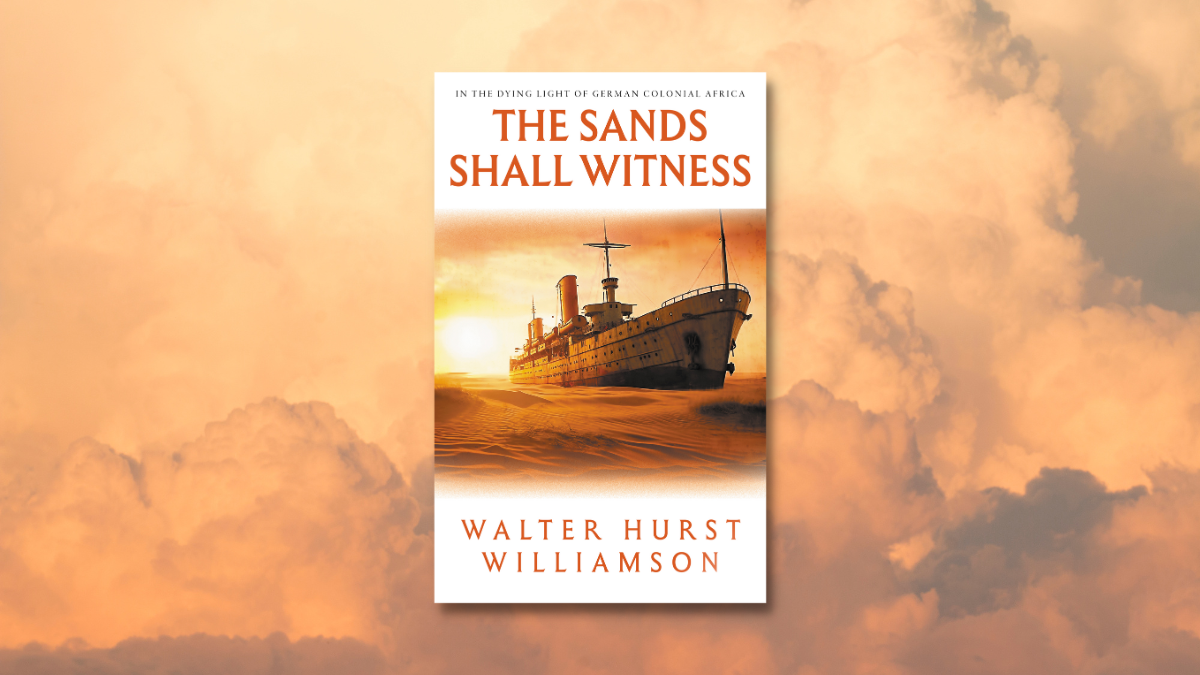

The Sands Shall Witness
by Walter Hurst Williamson
Genre: Historical Fiction / Africa
ISBN: 9798350930801
Print Length: 458 pages
Reviewed by Tomi Alo
A gripping historical account of the first genocide of the 20th century
The Sands Shall Witness is about two people who find love in the most unlikely situation but who struggle to keep their relationship alive amidst geopolitical turmoil. Covering themes such as courage, love, resistance, tragedy, colonialism, ethnocentrism, cultural clash, and genocide, the novel paints a vivid picture of the consequences arising from prejudiced attitudes, exploitations, and power dynamics that shaped the bloody battles between the German colonists and the native Herero and Nama people.
Facing the abyss of poverty and starvation after his father’s death, Conrad’s life takes an unexpected turn when his uncle Johannes helps him land the position as an aide to the Commissioner of the DSWA, one of Germany’s colonies. Excited about the new opportunity and adventure that awaited, Conrad embarks on a journey that will change his life forever.
As the great ship Calypso docks at Walvis Bay and Conrad disembarks from the ship, he can’t help but feel a mixture of anticipation and nervousness for what lies ahead. However, Conrad receives a rude and quick awakening about what life is like in Africa and how different it is from his expectations. Despite this, he assimilates into his job and works diligently as an aide to Commissioner Leutwein.
While returning from an errand for the commissioner, Conrad rescues Sybille Maharero, the daughter of the Herero chieftain and Commissioner Leutwein’s housemaid, from an assault by two Schutztruppe officials. This act of heroism, however, exacerbates already simmering conflicts between tribes in Southwest Africa and their German colonizers, resulting in increased tensions and violence.
But as the tension escalates, an unexpected romance blossoms between Conrad and Sybille. And as their love story unfolds against the backdrop of tragic historical events, readers are given a deeper understanding of the devastating impact of colonization and the lasting scars it leaves on both individuals and communities.
Conrad Huber is a good character that is easy to like. He is compassionate toward others, and he helps them in the little ways that he can. While his opinions about Africans are not always in the best light, he doesn’t discriminate against them either. Compared to his first arrival in present-day Namibia, when he knew next to nothing about the natives or their way of life, he learns a lot from his time as an aide to the Commissioner. His interactions with the Commissioner and his role as an aide allow him to witness firsthand the injustices faced by Africans under colonial rule.
Though he does not go out of his way to actively oppose these injustices, he can’t help but feel a sense of guilt for being a part of the system that perpetuated them. I can’t blame or chastise him for not having the courage to stand up and outrightly go against his people for what’s right, nor can I expect him to. Not everyone is a hero or a savior. I like how the author doesn’t make him one. It adds a sense of realism and complexity to the story.
“Conrad was being smothered by guilt. No matter which way he turned, he felt as though he were suffocating, buried beneath an inescapable bog of horrible and hopeless thoughts. He’d failed Maharero by not convincing him that war with Germany would only bring ruin. He’d failed Leutwein as well, letting the man self-implode into bitterness and despair. And worst of all, he’d failed Sybille.”
The romance subplot involving Conrad and Sybille falls a bit short of expectations. While their romance has its moments, it can feel forced and abrupt, especially at the beginning of the novel. Sybille is a proud and cold woman, so her actions with Conrad appear out of character at times, a sudden shift from the dismissive way she treated him. Although there are cute moments of Conrad shyly stumbling over words when speaking with Sybille, I see and feel no spark, not even subtly. You, like me, may find yourself more invested in how the war would turn out than the progress of their relationship.
A noteworthy aspect of The Sands Shall Witness is Walter Hurst Williamson’s unflinching portrayal of the harsh treatment and horrors faced by Africans during the colonial rule. He does not shy away from depicting the behaviors and opinions of the German colonists toward Africans. It is far from pleasant. As an African myself, I found the colonialism difficult to stomach: the devaluing of other humans’ lives, the plundering of resources and land, the deaths, and the way they arrogantly justify these atrocious actions as doing God’s will.
“The Hottentots are savage and cowardly dogs,” the General said, his voice building like a terrific thunderclap as he spoke. “Murderous, villainous cannibals that must be put down!”
Williamson’s creative approach kept me entertained throughout. His vivid descriptions and engaging storytelling makes it easy to digest the harsh realities of colonialism. Through his characters, both completely fictional and based on historical figures, Williamson effectively highlights the devastating impact colonialism had on African communities like Herero and captures the resilience and strength of the Herero and Nama people.
Overall, The Sands Shall Witness emerges as a captivating novel that excels in its gripping portrayal of a tragic chapter in human history. While the romance subplot may fall short, the novel effectively explores historical themes and educates readers about a challenging period that isn’t often discussed in African colonial history.
Thank you for reading Tomi Alo’s book review of The Sands Shall Witness by William Hurst Williamson! If you liked what you read, please spend some more time with us at the links below.




What did you think?