

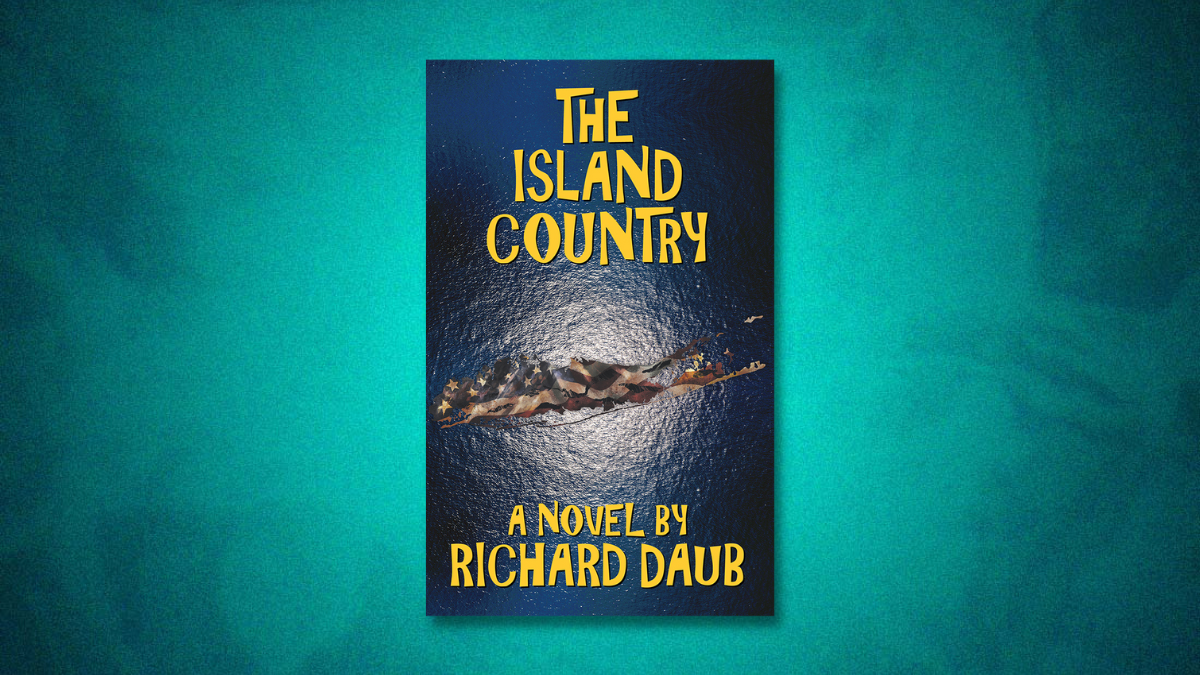
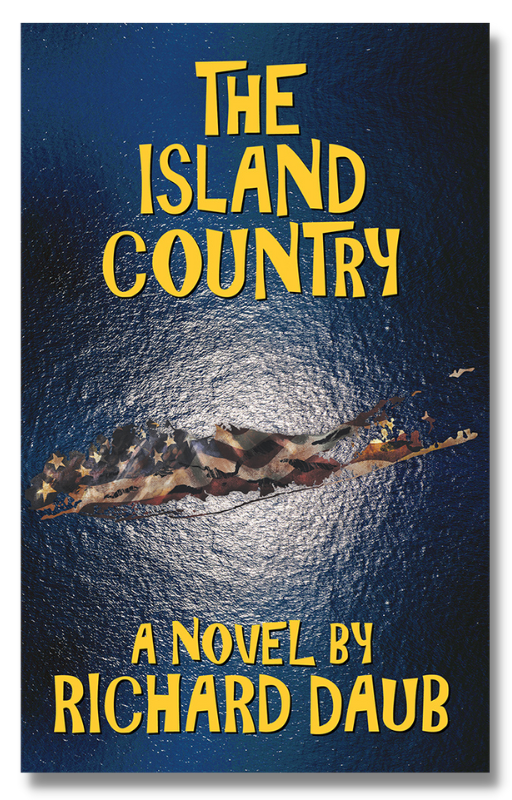
The Island Country
by Richard Daub
Genre: Literary Fiction / Historical
ISBN: 9781946094100
Print Length: 230 pages
Reviewed by Erin Britton
Follow the triumphs and tragedies of several generations of the Smith family as they all seek their piece of the ever-changing American dream.
A post-World War Two family saga that is by turns sedate and explosive, perspicacious and intimate, Richard Daub’s The Island Country offers moving and surprising insights into the tumultuous lives of several generations of a family living in what can only be described as “interesting times” in the United States. In so doing, it peels back the flimsy veneer of respectability and breaches the shield of duty to expose the simmering passions and resentments lurking behind the façade of the all-American family.
Opening on a cold and rainy day on Long Island, New York, in 1954 as “Detective Philip Smith of the Nassau County Police Department, wearing the formal Navy uniform he’d worn during the War, directed his family’s attention through the leafless trees, to the top of the bank building several blocks away, on top of which an American flag waved against the gray sky,” it’s clear from the outset that The Island Country is not the story of a happy and united family.
Indeed, Daub immediately highlights the sense of foreboding and air of repression that hang over the Smith house and those who dwell within it, and he takes pains to introduce the current members of the family in such a way as to indicate that dramatic family dynamics will significantly outweigh harmonious family relationships in this family drama.
As for the family, it initially comprises Philip, a racist cop who fully believes it is his right to be treated as the head of the household, “his wife Eunice and three children, seven-year-old Philip Jr., five-year-old Joyce, and three-year-old Oscar.” Philip’s volatility, divisive attitudes, and foibles are clear straightaway, and it soon emerges that Eunice has a pill-popping problem, Joyce has artistic talent that no one wants to let blossom, Philip Jr. has a religious calling that masks an underwear-related perversion and more, and the generally forgotten Oscar eats his emotions while dreaming of being a firefighter.
These defining characteristics influence how they act toward each other and those they encounter in the neighborhood, at school, and at work. Unsurprisingly given the era and the people concerned, there are plenty of disturbing attitudes on display in The Island Country, including overt racism, sexism, and homophobia, which adds an additional level of grimness to the day-to-day existences that unfold as the book progresses. The Smiths routinely do damage to themselves and others, although there are hints that they are not all irredeemable.
It’s arguably Joyce who emerges the most unscathed from the Smith household, even if she does grow up to marry her wastrel high-school boyfriend, Roger. Still, while he is damaged by his experiences in Vietnam, she settles for attending beauty school in the sad belief that such a career will involve less sexual harassment/assault than her friend Dolly’s decision to attend secretarial school. Interestingly, for all their disgust concerning their parents’ way of life, these members of the younger generation prove to be bigoted, snobbish, squares, for example, describing Woodstock as “Three days camping on a farm surrounded by filthy, drugged-out hippies.”
And as the years pass, another generation arrives when Joyce and Roger have children of their own—Griff, a natural born troublemaker, and Stacy, a normal-looking shell with a darkness buried inside. The more things change, the more they stay the same, and this latest generation is certainly not spared from trouble and strife. Daub relates The Island Country in short sections or vignettes, chronicling the daily grind of the Smiths and those close to them, occasionally interrupted by major events on the world stage.
This structure gives the book a rapid pace, with time passing by increasingly quickly as the characters develop and age, sometimes learning a lesson or two along the way. In fact, Daub does a great job of capturing the essence of different times and social movements, showcasing both the differences and similarities with the present and the past as the decades roll by and life in America undergoes irrevocable changes.
Aside from the various distressing issues already alluded to that sadly characterized earlier times (and haven’t yet gone away), Daub juxtaposes the horror and the absurdity of certain things that were acceptable in the recent past. For instance, Eunice’s drug problem is obvious, as is the deleterious effect it has on her and those around her, but medical professionals keep pushing more pills on her: “this is your lucky day, because I just received samples of a brand new kind of medication that the Army has been experimenting with on their soldiers […] The boys at the club are just calling it LSD.”
Turning back to the microcosm of family life, Daub also skillfully explores the damaging effects of dysfunctional family dynamics and societal pressures on all the characters over the course of decades. As relationships form and break, careers are forged and lost and the more aware characters question their purpose in life. The Island Country delves into the intricacies of human relationships and the seemingly never-ending search for happiness and fulfillment.
The book is a poignant and thought-provoking exploration of the nature of family and the innate drive to find a place to belong. Through rich and often unexpected character development and a whistlestop tour of the 1950s through to the 2020s and a little beyond, The Island Country offers a captivating glimpse into the lives of the Smith family and those—whether fortunate or unfortunate—who are pulled into their orbit.
Thank you for reading Erin Britton’s book review of The Island Country by Richard Daub! If you liked what you read, please spend some more time with us at the links below.





What did you think?