

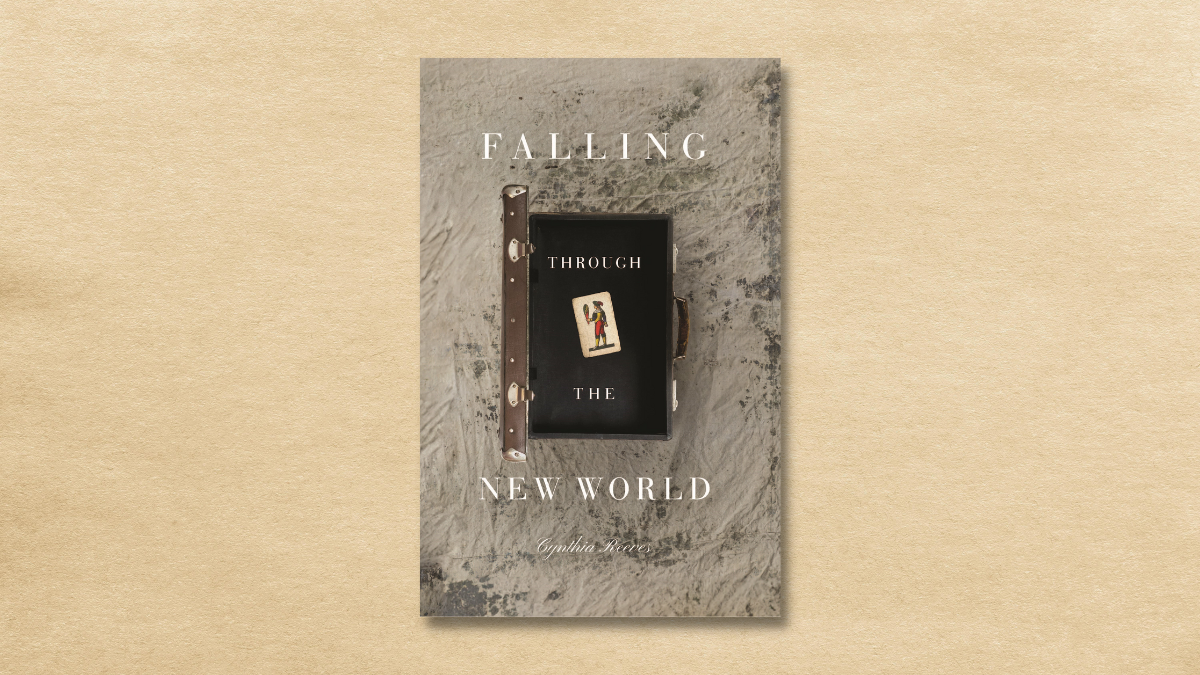
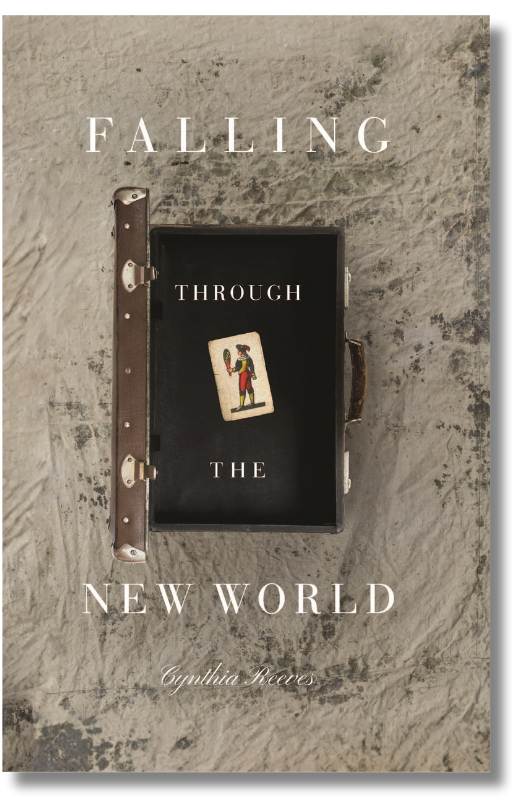
Falling Through the New World
by Cynthia Reeves
Genre: Literary Fiction / Short Stories
ISBN: 9781737780861
Print Length: 172 pages
Publisher: Gold Wake Press
Reviewed by Elena Bellaart
An intimate, nuanced portrait of the relationships between generations of an Italian family
Falling Through the New World traces the lives of four generations of an Italian family that emigrates to the United States in the 1920s. The narrative begins with Anna, who lives with her father—a humble, hardworking olive farmer—and her mother—a beautiful but vain religious devotee who dedicates more time to prayer and offerings than tending to her ailing children. Anna nurses her dying sister and a brother traumatized by his experience in the Great War as she waits for news of her husband Vincenzo, himself a prisoner of war in Austria.
But when she and Vincenzo are reunited at last, her husband is no longer satisfied with his quiet life as a small-town Italian tailor. Disillusioned with what he sees as the nation’s failures, he moves to America with promises to save enough for Anna to follow. When the couple comes together again after many years of separation, loss, and age, they must reckon with the task of beginning their lives and marriage anew on new terrain.
These linked stories skillfully shift between many perspectives within and across generations as the children of Anna and Vincenzo—who goes by Vincent on American soil—grow into their own experiences of marriage and childrearing. Early sections from Anna and Vincent’s perspectives are among the most compelling, heartbreaking in their narrative and richly experimental in their use of language. And the collection is daring in its treatment of illness and old age, invoking these liminal states with confident and unexpected shifts in perspective and temporality.
Subsequent sections, though more formally straightforward, are similarly enjoyable, as the novel tenderly charts the tensions and parallels between generations of mothers and daughters. As these relationships repeat patterns of care, devotion, and misunderstanding, readers are invited to ask what kinds of sacrifices each new generation owes to the last. In a particularly effective scene near the book’s end, a middle-aged woman mourns her mother’s passing. As she walks the streets of their ancestral village in Italy, she reflects, “It’s not for a daughter to save her mother, nor to live her mother’s other possible lives.”
Though the events of Falling Through the New World take place in the shadow of the economic and political shifts of the twentieth century, Reeves is much more interested in the intimate details of domestic life. As a young Anna prepares a meal during one of her mother’s many absences, she recounts, “I pick up Mamma’s kitchen knife and fit my hand in the grooves worn by our fingers.” The grooves in the knife handle mark the shared, iterative labor of domestic work performed by generations of the family’s women, work that leaves a physical imprint even when it goes unnoticed. This thoughtful attention to the quiet, routine, material quality of daily life is one of the greatest pleasures of reading Falling Through the New World, a book which ultimately argues that the inner lives of women are worthy of our care.
Thank you for reading Elena Bellaart’s book review of Falling Through the New World by Cynthia Reeves! If you liked what you read, please spend some more time with us at the links below.




What did you think?